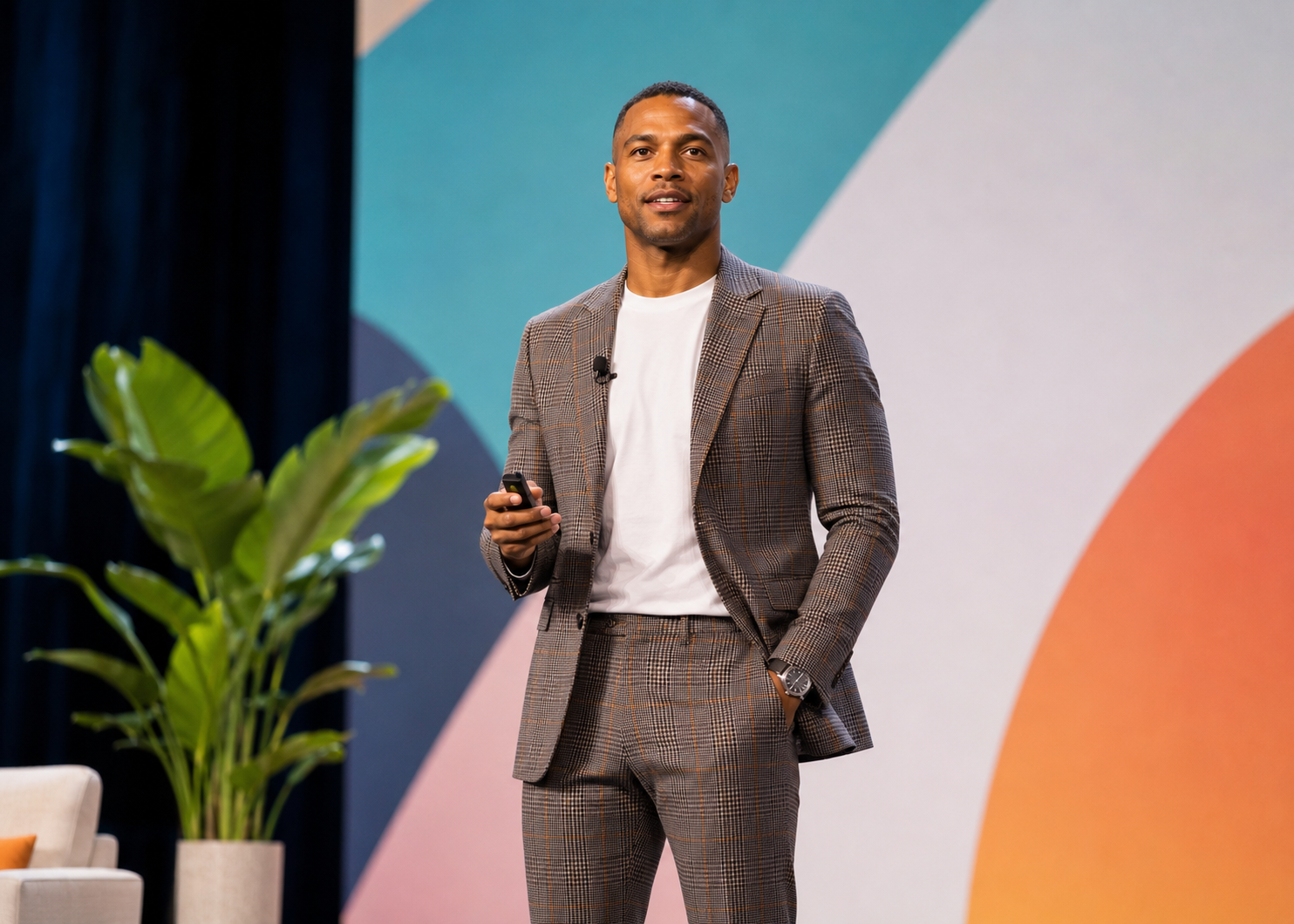
BTS Named to Selling Power Magazine’s Top Virtual Sales Training Companies 2021 List

BTS, a world-leading strategy implementation firm, was recently named to Selling Power’s Top 20 Virtual Sales Training Companies 2021 list.
November 4, 2021
5
min read
Subscribe to the BTS newsletter
Follow us on Linkedin
Follow BTS on Linkedin
Authors
No items found.
Share

STOCKHOLM, SWEDEN and SAN FRANCISCO, CA —BTS GROUP AB (publ), a world-leading strategy implementation firm, was recently named to Selling Power’s Top 20 Virtual Sales Training Companies 2021 list.

“We are honored to be recognized for our virtual training capabilities,” said Rene Groeneveld, Global Head of BTS’s Sales and Marketing Practice. “In 2020, we pivoted to deliver best-in-class solutions to our clients in a fully virtual environment. We continued this work in a hybrid-virtual environment in 2021. We are humbled by our clients’ continued partnership and inspired by the results they have achieved.”

Companies on the list submitted a comprehensive application, which included their offerings for both training and retention, delivery methods, and response to changing market conditions. The main criteria for evaluation included:

  • Strategies to keep participants engaged
  • Breadth of virtual sales training offerings
  • Methodologies for participant retention
  • Innovation of offerings and/or delivery in response to customer needs or changes in the marketplace
  • Strength of client satisfaction and client feedback

Selling Power also considered feedback from more than 250 clients, which included:

“Usable, to-the-point training delivered effectively and supported well. What more could you want?”
“Close, professional, and absolutely satisfying collaboration — they know what they are doing and perform at the highest level.”
“In just three months since our conclusion, we’ve seen our pipeline grow by 14% in dollars, and, more importantly, by 34% in number of opportunities.”

Selling Power advises CROs, sales VPs, and sales enablement leaders to leverage this list to find the right sales training partner to deliver best-in-class virtual sales training.

Get the report
Download the report

Related content

No items found.

Related content

Insights
March 19, 2026
5
min read
Ocho cambios que están dando forma a organizaciones más seguras y sostenibles
Comprende los cambios clave que están redefiniendo cómo las organizaciones integran la seguridad y la sostenibilidad en su desempeño, a través del liderazgo, el aprendizaje continuo y sistemas operativos resilientes.

En todos los sectores, la seguridad está experimentando un cambio estructural. Lo que antes se gestionaba principalmente como una función de cumplimiento o una métrica de desempeño se entiende cada vez más como un reflejo de cómo las organizaciones están diseñadas, lideradas y mejoradas de forma continua.

En entornos complejos y de alto riesgo, la seguridad no se logra únicamente mediante un mayor control o programas adicionales. Surge de la interacción entre el comportamiento del liderazgo, el diseño operativo, los entornos de decisión y la capacidad de la organización para aprender y adaptarse.

Basándonos en la ciencia global de la seguridad, el enfoque de Human & Organizational Performance (HOP), la investigación sobre seguridad psicológica y nuestra experiencia en transformación en múltiples industrias, identificamos ocho cambios clave que están definiendo la próxima evolución de la cultura de seguridad.  

1. La seguridad como valor organizacional central

La seguridad está dejando de tratarse como una prioridad cambiante. Las prioridades compiten. Los valores guían.

Cuando la seguridad se convierte en un valor central, influye en la toma de decisiones, en los compromisos bajo presión, en la planificación operativa y en la asignación de recursos. La seguridad pasa a ser una consecuencia natural de cómo funciona el sistema, en lugar de una iniciativa añadida a la producción.

Este cambio también redefine el rol de las funciones de seguridad: de supervisar el cumplimiento a habilitar un desempeño seguro y sostenible.

2. El aprendizaje como disciplina operativa

Las organizaciones están integrando el aprendizaje continuo en las operaciones diarias. En lugar de centrarse solo en lo que falló, exploran señales débiles, casi accidentes, fricciones operativas y adaptaciones exitosas.

El aprendizaje se convierte en una capacidad clave que acelera la generación de insights, fortalece la resiliencia y mejora la calidad de las decisiones.

3. Responsabilidad del liderazgo en todos los niveles

La cultura de seguridad se reconoce cada vez más como una capacidad de liderazgo, no solo como responsabilidad del área de HSE.

  • Los directivos marcan la dirección y el tono.
  • Los mandos intermedios traducen las expectativas en decisiones operativas.
  • Los supervisores configuran el entorno de decisiones del día a día.

Las organizaciones exitosas convierten las expectativas de seguridad en comportamientos concretos de liderazgo y rutinas diarias, generando claridad y alineación entre niveles.

4. La seguridad psicológica como infraestructura

Una cultura de seguridad sólida depende de entornos donde las personas se sientan seguras para hablar.

Cuando los empleados perciben seguridad psicológica, las señales débiles emergen antes, los riesgos se discuten abiertamente y el aprendizaje se acelera.

La seguridad psicológica es una infraestructura operativa, no un tema “blando”.

5. Amplificar lo que funciona

Existe un reconocimiento creciente de que la mayor parte del trabajo se realiza de forma segura, a menudo en condiciones variables.

Estudiar el éxito revela la capacidad adaptativa y fortalece la resiliencia. Esto complementa el análisis tradicional de incidentes al reforzar la experiencia y la confianza.

6. Alinear el trabajo “imaginado” con el trabajo “real”

Los procedimientos y planes rara vez capturan perfectamente la complejidad operativa.

Las organizaciones líderes reducen la brecha entre políticas y realidad operativa incorporando la perspectiva del personal de primera línea y empoderando la autoridad para detener el trabajo.

El objetivo es una mejor alineación entre diseño y ejecución.

7. Diseñar para la toma de decisiones humana

Los incidentes suelen derivarse de sesgos cognitivos predecibles como la normalización de la desviación, el sesgo hacia la producción, el exceso de confianza y el sesgo retrospectivo.

Reconocer estas trampas en la toma de decisiones desplaza el enfoque de culpar a las personas hacia fortalecer los entornos de decisión.

8. La evolución cultural como capacidad a largo plazo

Una cultura de seguridad sostenible requiere integración en lugar de reinvención, desarrollo estructurado de capacidades en lugar de programas puntuales y medición del impacto conductual en lugar de métricas de actividad.

Las organizaciones que tienen éxito:

  • Integran la seguridad en los sistemas existentes de liderazgo y operación
  • Diseñan itinerarios de aprendizaje que apoyan la aplicación en el día a día
  • Miden el cambio de comportamiento y los resultados operativos
  • Refuerzan el progreso de manera consistente en el tiempo

La evolución cultural es un compromiso sostenido con la alineación del sistema y el desarrollo de capacidades.

Conclusión

La evolución de la cultura de seguridad trata menos de añadir controles y más de fortalecer sistemas.

La seguridad es algo que las organizaciones producen: a través de la claridad del liderazgo, el diseño operativo, la seguridad psicológica y el aprendizaje continuo.

Quienes integren estas capacidades de forma consistente no solo reducirán riesgos. Construirán organizaciones más resilientes, sostenibles y de alto desempeño.

Sources & references:

  • WorldSteel Association. Safety Culture & Leadership Fundamentals.
  • Norsk Industri (2025). Safety Leadership and Learning: A Practical Guide to HOP.
  • D. Parker et al. / Safety Science 44 (2006). Development of Organisational Safety Culture
  • Hollnagel, E. (2014). Safety-I and Safety-II: The Past and Future of Safety Management.
  • Hollnagel, E. (2018). Safety-II in Practice: Developing the Resilience Potentials.
  • Conklin, T. (2012). Pre-Accident Investigations: An Introduction to Organizational Safety.
  • Edmondson, A. (2018). The Fearless Organizations
  • Reason, J. (1997). Managing the Risks of Organizational Accidents.
  • Resilience Engineering research (Hollnagel,Woods, Leveson and others).

Insights
March 19, 2026
5
min read
Eight Shifts Shaping Safer and More Sustainable Organizations
Understand the critical shifts redefining how organizations embed safety and sustainability into performance, through leadership, continuous learning, and resilient operational systems.

Across industries, safety is undergoing a structural shift. What was once managed primarily as a compliance function or performance metricis increasingly understood as a reflection of how organizations are designed, led and continuously improved.

In complex and high-risk environments, safety is notachieved through stronger enforcement or additional programs alone. It emerges from the interaction between leadership behavior, operational design, decision environments and the organization’s capacity to learn and adapt.

Drawing on global safety science, Human & Organizational Performance (HOP), research on psychological safety, and our cross-industry transformation experience, eight key shifts are shaping the next evolution of safety culture.


1. Safety as a Core Organizational Value

Safety is moving beyond being treated as a shifting priority. Priorities compete. Values guide.

When safety becomes a core organizational value, it shapes decision-making, trade-offs under pressure, operational planning and resourceallocation. Safety becomes the natural consequence of how the system operates,rather than a campaign layered on top of production.

This shift also redefines the role of safety functions, from compliance policing to enabling safe and sustainable performance.


2. Learning as an Operating Discipline

Organizations are embedding continuous learning into everyday operations. Rather than focusing only on what failed, they exploreweak signals, near misses, operational friction and successful adaptations.

Learning becomes a core capability, accelerating insight, strengthening resilience and improving decision quality.


3. Leadership Ownership at All Levels

Safety culture is increasingly recognized as a leadership capability, not solely an HSE responsibility.

Executives define direction and tone.
Middle managers translate expectations into operational decisions.
Supervisors shape the daily decision environment.

Successful organizations translate safety expectations into concrete leadership behaviors and daily routines, creating clarity and alignment across levels.


4. Psychological Safety as Infrastructure

A strong safety culture depends on speaking-up environments.

When employees feel psychologically safe, weak signals surface earlier, risk trade-offs are openly discussed and learning accelerates.

Psychological safety is operational infrastructure , not a soft topic.


5. Amplifying What Works

There is growing recognition that most work is completed safely, often under variable conditions.

Studying success reveals adaptive capacity and strengthens resilience. This complements traditional incident analysis by reinforcing expertise and confidence.


6. Aligning Work-as-Imagined and Work-as-Done

Procedures and plans rarely capture operational complexity perfectly.

Leading organizations reduce the gap between policies and operational reality by inviting front line input and empowering stop-work authority.

The goal is better alignment between design and execution.


7. Designing for Human Decision-Making

Incidents often stem from predictable cognitive biases such as normalization of deviance, production bias, overconfidence and hindsight bias.

Recognizing these decision traps shifts focus from blaming individuals to strengthening decision environments.


8. Cultural Evolution as a Long-Term Capability

Sustainable safety culture requires integration rather than reinvention, structured capability journeys rather than one-off programs, and measurable behavioral impact rather than activity metrics.

Organizations that succeed:

  • Integrate safety into existing leadership and operational systems
  • Design earning journeys that support day-to-day application
  • Measure behavioral change and operational outcomes
  • Reinforce progress consistently over time

Cultural evolution is a sustained commitment to system alignment and capability building.


Conclusion

The evolution of safety culture is less about adding controls and more about strengthening systems.

Safety is something organizations produce — through leadership clarity, operational design, psychological safety and continuous learning.

Those who embed these capabilities consistently will not only reduce risk. They will build more resilient, sustainable and high-performing organizations.

Sources & references:

  • WorldSteel Association. Safety Culture & Leadership Fundamentals.
  • Norsk Industri (2025). Safety Leadership and Learning: A Practical Guide to HOP.
  • D. Parker et al. / Safety Science 44 (2006). Development of Organisational Safety Culture
  • Hollnagel, E. (2014). Safety-I and Safety-II: The Past and Future of Safety Management.
  • Hollnagel, E. (2018). Safety-II in Practice: Developing the Resilience Potentials.
  • Conklin, T. (2012). Pre-Accident Investigations: An Introduction to Organizational Safety.
  • Edmondson, A. (2018). The Fearless Organizations
  • Reason, J. (1997). Managing the Risks of Organizational Accidents.
  • Resilience Engineering research (Hollnagel,Woods, Leveson and others).

Insights
March 17, 2026
5
min read
AI-Enabled Customer Centered Conversations
Why most sales meetings fail to create value, and how to intentionally build urgency, trust, and momentum into every conversation.

Most sales meetings don’t fail.
They just don’t lead to a decision.

And that’s where value is lost.

Today’s customers are more informed, more selective, and more time-poor.

They don’t need more product pitches.
They need conversations that help them prioritize, decide, and move forward.

And yet, 58% of sales meetings fail to create real value.

Not because sellers lack capability, but because conversations are not designed to move decisions forward.

“Customers don’t act on every need they recognize.

They act when something becomes a priority.”

 In this short executive brief, you’ll discover:

  • Why most conversations inform… but don’t drive action
  • What actually makes customers prioritize and move
  • How to create urgency without damaging trust
  • The shift from presenting solutions to enabling decisions
  • What separates conversations that stall from those that accelerate momentum

If your teams are experiencing stalled deals, delayed decisions, or slow pipeline movement, this brief will help you understand why, and what to do differently.

Download the Executive Brief and learn how to design conversations that actually move decisions forward