
How leaders can address proximity bias head-on

Proximity bias has been prevalent in traditional office environments for decades. Bosses tended to show favoritism to people who arrived early, stayed late, and went the extra mile. The new permanence of some remote work and our long-held views about productivity in and out of the office are shifting. However, proximity bias is still how we evaluate our talent.
Related content

Organizations need a future-back approach to identifying potential, including simulations and key assessment methods, that goes beyond standard performance reviews.
lorem ipsum
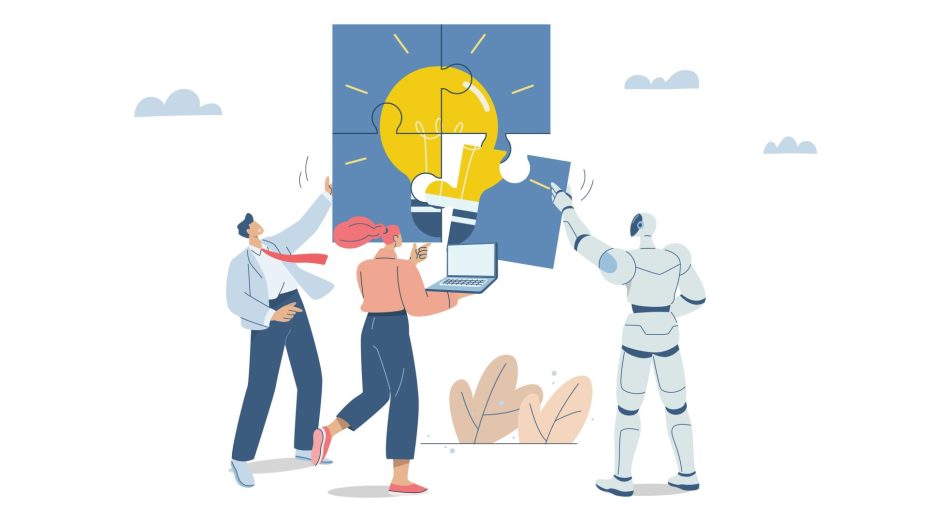
How moments-based simulations and AI role-play help leaders practice high-stakes conversations, build real behavior change, and give L&D predictive insight into performance.
lorem ipsum

Cinco capacidades para tomar mejores decisiones, conectar personas y tecnología y actuar con criterio en contextos de alta incertidumbre y cambio.
lorem ipsum
Related content
Organizations need a future-back approach to identifying potential, including simulations and key assessment methods, that goes beyond standard performance reviews.
lorem ipsum
The highest-performing teams steward conversation through three elements: goals, roles, and soul. Use this framework for greater clarity, stronger trust, and better decisions.
lorem ipsum
How moments-based simulations and AI role-play help leaders practice high-stakes conversations, build real behavior change, and give L&D predictive insight into performance.
lorem ipsum