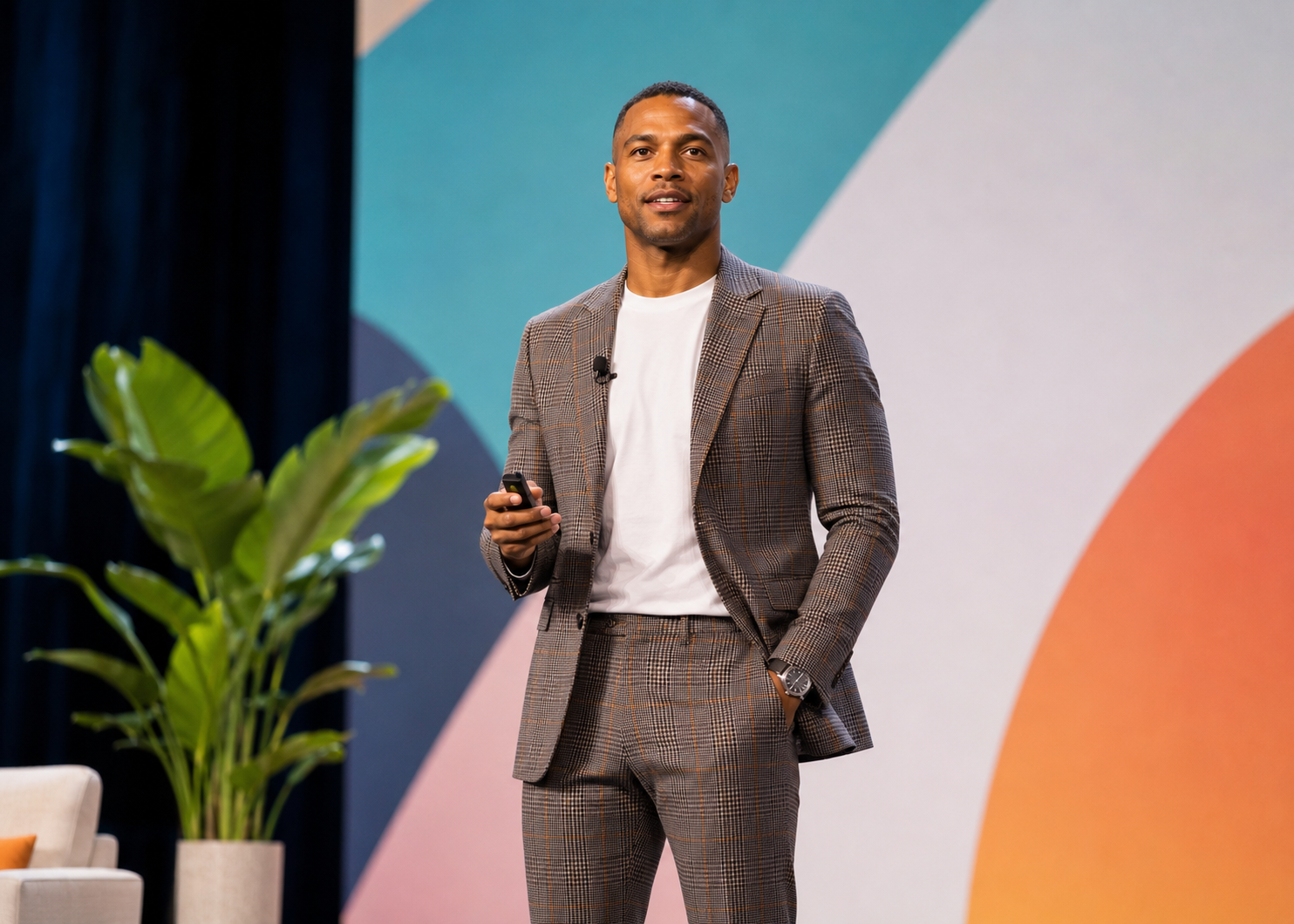
¿La clave para una organización realmente centrada en el cliente? Los datos

La anticipación suele ser fundamental en poder fomentar una cultura centrada en el cliente. Las empresas que utilizan una estrategia client centric a menudo pueden prever cada deseo, necesidad y posible capricho de su público objetivo, y encontrarse generosamente recompensadas en el proceso. Poner al cliente en primer plano, incluso por encima de los ingresos, puede hacer que una empresa sea un 60% más rentable. No es una mala propuesta para cuidar bien uno de los activos más esenciales de una organización.
Por supuesto, afirmar ser una empresa centrado en el cliente clientes más fácil decir que ejecutar. Las empresas que lo hacen con éxito a menudo utilizan un método diferente de pensamiento para lograr sus resultados: responden a las preguntas “quién-qué-por qué”. Utilizando estas tres preguntas, cada empleado puede entender mejor al cliente más allá de las simples características demográficas. Una comprensión más profunda luego ayuda tomar decisiones informadas, da forma a la experiencia en todos los posibles puntos de contacto y permite una orientación más reflexiva y significativa.
Con este método, los empleados hacen que los clientes se sientan vistos y escuchados. Los clientes ven a la empresa en la que eligieron confiar cumpliendo activamente con sus deseos y necesidades. Tales servicios básicos pueden hacer maravillas por la lealtad a la marca y la defensa de la marca. También puede animar a los consumidores a dedicar una parte más grande de sus billeteras, alrededor de un 3% a un 20% más.
En una sociedad acelerada, las empresas siempre deben buscar la manera más beneficiosa de apelar a los clientes y retener la lealtad. Una estrategia centrada en el cliente es el primer paso, aunque se necesita una comprensión más profunda de los deseos, necesidades y preferencias de del cliente y comunicarlas para obtener resultados tangibles. Esto plantea la pregunta: ¿Cómo se llega exactamente a una comprensión más profunda de un público objetivo?
Entendiendo al público objetivo
Las empresas suelen utilizar cuatro métodos específicos para captar hallazgos del consumidor y anticipar mejor los deseos y necesidades de los clientes. El primero es la observación naturalista, que monitorea las interacciones de las personas con el mundo. Estos hallazgos pueden ofrecer ideas sobre cómo un público objetivo podría intentar satisfacer un deseo o necesidad única. El segundo son las encuestas a los clientes que permiten a las organizaciones recopilar comentarios valiosos. El tercero son los grupos focales, que involucran a los clientes discutiendo productos o servicios.
Los datos son la cuarta estrategia. A diferencia de los otros, este método es donde las empresas están experimentando actualmente el mayor cambio. La computación en la nube ha llevado a replantear las actividades orientadas a la comprensión del cliente, como la analítica de servicio al cliente, la experiencia de marca, el marketing en redes sociales y las herramientas de voz del cliente.
Las nuevas opciones y sistemas pueden abrumar fácilmente a cualquiera que busque los datos correctos para implementar una estrategia enfocada en el cliente. Comenzar con un número limitado de métricas y expandirse desde allí puede ahorrar tiempo, dinero y problemas. Aquí es donde deben dirigir la atención primero:
1. Experiencia de marca
Seguir la experiencia de marca puede ayudar a capturar el sentimiento del consumidor sobre su marca. Da una mejor idea de lo que las personas piensan y sienten acerca de sus servicios. Si se hace bien, el seguimiento de la experiencia de marca puede dar luz a las iniciativas de la marca que funcionan o no, lo que permite redirigir los esfuerzos rápidamente. Tanto el puntaje neto de promotores como la satisfacción del cliente pueden ayudar a cristalizar lo que los consumidores podrían estar diciendo y pensando sobre su marca.
Las encuestas también pueden ser una gran fuente de información. Mantener las preguntas al mínimo y orientadas para fomentar una participación más completa. Además, asegurarse de no bombardear a los consumidores con cuestionarios. Una buena frecuencia para captar tales sentimientos puede ser trimestralmente. Entender las mentalidades de sus consumidores los anima a confiar en su marca y a seguir volviendo por más.
2. Experiencia del cliente
El seguimiento de la experiencia del cliente implica comprender las diferentes dimensiones del deleite del cliente, incluidas las reacciones emocionales y racionales a las ofertas de una empresa. También proporciona información sobre la inclinación del cliente a volver a comprar, recomendar o rechazar un producto o servicio en el futuro.
Usando ciertos conjuntos de datos, particularmente aquellos asociados con las interacciones, transacciones y perfiles de los clientes, puede llegar a lo que McKinsey & Company llama “perspectiva predictiva”. Esto puede ayudar a dar forma a la experiencia del cliente en el futuro. Todo lo que se necesita son algoritmos de aprendizaje automático para dar sentido a la información y dirigir fondos hacia ciertos puntos de contacto más propensos a impulsar el comportamiento a lo largo del viaje del cliente.
3. Alineación de empleados
En una organización centrada en el cliente, cada persona comparte el objetivo de crear una gran experiencia del cliente, desde los ejecutives hasta los asociados de primera línea. El seguimiento y la medición de la alineación de los empleados, o AE, le darán una mejor idea de qué tan bien cada miembro del equipo comprende a los clientes y, lo que es más importante, cree que entender y satisfacer las necesidades del cliente son fundamentales para el éxito de la empresa y el suyo propio.
AE comienza con un sentido de camaradería y pertenencia. Una encuesta de Deloitte encontró que el 79% de los empleados tienden a estar de acuerdo. Además, el 93% cree que es un factor que impulsa el rendimiento organizacional. Cuando los empleados pueden ver un objetivo común, es más probable que lo alcancen para el éxito de todos los involucrados.
Como con cualquier iniciativa relacionada con el cliente, todo se reduce a los datos. Los pasos más importantes son monitorear el sentimiento del cliente y comprender dónde puede ubicarse su empresa dentro de sus decisiones de compra. Simplemente aprecie que un movimiento incorrecto puede hacer que las personas busquen alternativas a sus servicios. Los clientes quieren lo que quieren cuando lo quieren. Al centrarse en una estrategia comercial centrada en el cliente, puede asegurarse de que lo obtengan y sigan regresando por más
Related content

Related content

The middle manager squeeze isn’t easing up—it’s intensifying:
If you want to understand where the pressure is building in your organization, look at your middle managers. They sit at the center of it all—and that center is under strain.
They’re expected to lead strategic change, drive culture, retain talent, and hit performance goals—all while translating executive vision into everyday action. But they’re often doing it without clear direction, real-time feedback, or consistent development support.
And now the data confirms it: the squeeze is real—and getting tighter. In 2025, 45% of middle managers report burnout—higher than any other group. Only 21% say they’re thriving. (Future Forum, Gallup) That’s not just a warning sign. It’s a leadership risk.
The rising cost of holding the middle
Middle managers aren’t just task owners—they’re the force that connects vision to execution. And we’re asking them to do more than ever:
- Lead through ambiguity
- Coach and develop teams
- Champion DEI and hybrid culture
- Balance employee expectations and business constraints
- Prepare for next-level leadership roles
They’re expected to model the organization’s values while delivering results. But the systems designed to support them haven’t evolved at the same pace. They rely on outdated perspectives on learning and capability building, and are often informal at best.
The result? Too many managers are being asked to grow faster than the organization is growing its capacity to support them.
Burnout isn’t a side effect—it’s a signal
When middle managers burn out, business performance suffers.
- Middle managers are 3 times more likely to leave (Future Forum, 2025)
- Their teams underperform or disengage
- Innovation, development, and inclusion efforts lose momentum
Burnout isn’t just about wellbeing—it’s about organizational readiness.
It’s not just about removing pressure. It’s about reinforcing strength.
The most common response to manager burnout is to “lighten the load.” But that doesn’t address the structural issue. You can remove a few books from the shelf. But if the structure was never designed to hold the weight, it still bends under pressure.
Managers don’t just need less work. They need better support systems.
What effective support looks like in 2025
The most forward-looking organizations are shifting away from ad hoc fixes and leaning into investing in structured, measurable capability-building. It’s not about more content. It’s about developing real, sustained leadership capacity. The organizations who are embedding development into the flow of work are developing managers who don’t just cope, they grow.
What’s working:
- Co-created goals between managers and senior leaders
- Ongoing reflection and feedback loops that build self-awareness
- Development experiences that stretch leadership capability in real time
- Targeted support that improves coaching, communication, and decision-making
When support is consistent and measurable, managers build the adaptability, clarity, and presence needed to lead through complexity—not just react to it.
Coaching interventions
Managers who are truly effective aren’t just trained—they’re supported by coaching that strengthens behavior change over time, connects individual development to real business goals, and builds a sustainable leadership pipeline. It’s massive part of how organizations move from check-the-box training to actual transformation. For years most organizations have understood the value of coaching their senior executives. It’s those enterprises who have figured out the power that coaching unlocks at the manager level are ahead of the game now.
Building stronger foundations, not just lighter loads
The middle manager squeeze isn’t going away, but it can be addressed.
That shift starts when organizations move beyond burnout mitigation toward embedding strategic development systems that build real leadership capacity—and track progress along the way.
Because when you strengthen the center, you strengthen the whole organization.
Want to see how leading companies are building manager capability at scale?
Now part of BTS, Sounding Board brings a clearer, data-backed view of what’s working—and where high-performers need to grow next via:
- Goal alignment – See progress tied to your strategy
- Behavioral growth – Track real shifts in how leaders show up
- Self-awareness – Build reflection through feedback and assessments
- Cohort insights – Spot trends, surface gaps, and scale what works

From top-down to judgment all around: The AI imperative for organizations
Each business revolution has reshaped not only how businesses operate, but how they organize themselves and empower their people. From the industrial age to the information era, and now into the age of artificial intelligence, technology has always brought with it a reconfiguration of authority, capability, and judgment.
In the 19th century, industrialization centralized work and knowledge. The factory system required hierarchical structures where strategy, information, and decision-making were concentrated at the top. Managers at the apex made tradeoffs for the greater good of the enterprise because they were the only ones with access to the full picture.
Then came the information economy. With it came the distribution of information and a need for more agile, team-based structures. Cross-functional collaboration and customer proximity became competitive necessities. Organizations flattened, experimented with matrix models, and pushed decision-making closer to where problems were being solved. What had once been the purview of a select few, judgment, strategic tradeoffs, and insight became expected competencies for managers and team leads across the enterprise.
Now, AI is changing the game again. But this time, it’s not just about access to data. It’s about access to intelligence.
Generative AI democratizes access not only to information, but to intelligent output. That shifts the burden for humans from producing insights to evaluating them. Judgment, which was long the domain of a few executives, must now become a baseline competency for the many across the organization.
But here’s the paradox: while AI extends our capacity for intelligence, discernment, the human ability to weigh context, values, and consequence, is still best left in the hands of human leaders. As organizations begin to automate early-career work, they may inadvertently erase the very pathways and opportunities by which judgment was built.
Why judgment matters more than ever
Deloitte’s 2023 Human Capital Trends survey found that 85% of leaders believe independent decision-making is more important than ever, but only 26% say they’re ready to support it. That shortfall threatens to neutralize the very productivity gains AI promises.
If employees can’t question, challenge, or contextualize AI’s output, then intelligent tools become dangerous shortcuts. The organization stalls, not from a lack of answers, but from a lack of sense-making.
What organizations must do
To stay competitive, organizations must shift from simply adopting AI to designing AI-aware ways of working:
- Build new learning paths for judgment development. As AI replaces easily systematized tasks, companies must replace lost learning experiences with mentorship, simulations, and intentional development planning.
- Design workflows that require human input. Treat AI as a co-pilot, not an autopilot. Embed review checkpoints and tradeoff discussions. Just as innovation processes have stage gates, so should AI analyses.
- Make judgment measurable. Assess and develop decision-making under ambiguity from entry-level roles onward. Research shows the best learning strategy for this is high-fidelity simulations.
- Start earlier. Leadership development must begin far earlier in career paths, because judgment, not just knowledge, is the new differentiator.
What’s emerging is not just a flatter hierarchy, but a more distributed sense of judgment responsibility. To thrive, organizations must prepare their people not to outthink AI, but to out-judge it.

BTS acquires Nexo to strengthen its position in Brazil and Latin America
P R E S S R E L E A S E
Stockholm, May 5, 2025
STOCKHOLM, SWEDEN – BTS Group AB (publ), a leading global consultancy specializing in strategy execution, change, and people development, has agreed to acquire Nexo Pesquisa e Consultoria Ltda., Nexo, a boutique consulting firm headquartered in São Paulo, Brazil.
Nexo has been growing continuously since it was founded in 2017. With revenues of approximately 12 million Brazilian Reales (approx. 2.1 million USD) in 2024, and a highly capable team of 21 members, Nexo has built a strong reputation for delivering transformative projects in strategy, innovation, leadership, and culture.
Nexo collaborates with a great portfolio of clients across sectors such as financial services, consumer goods, and technology, assisting both local and global companies in navigating uncertainty, unlocking creativity, and activating strategy through people. Their work encompasses culture transformation, leadership development, employer value proposition, innovation culture, and vision alignment – supported by proprietary methodologies and frameworks.
BTS currently operates in Brazil servicing both local and multinational clients with a team of 13 employees. By acquiring Nexo, BTS not only increases the Group’s footprint in Brazil but also adds significant capabilities in culture and transformation services. Nexo’s client base has limited overlap with BTS, creating strong growth potential and synergy opportunities.
“Nexo is known for helping leaders and organizations tackle some of the most complex, human-centered challenges with creativity, empathy, and strategic clarity and the Nexo team is loved by their clients,” says Philios Andreou, Deputy CEO of BTS Group and President of the Other Markets Unit. “Their products and services complement and elevate our existing offerings, especially in culture transformation, and we are thrilled to welcome the Nexo team to BTS.”
“We’re excited to join BTS. We’ve long admired BTS’s approach and unique portfolio to support large organizations and leaders in connecting strategy with culture across the organization,” says Andreas Auerbach, co founder of Nexo. “Becoming part of BTS, allows us to scale our impact and bring more value to our clients while staying true to our values and culture,” adds Mariana Lage Andrade, co-founder of Nexo.
Upon completion of the transaction, Nexo’s business and organization will merge with BTS Brazil. Nexo’s founders will assume senior management roles in the joint operation.
The acquisition includes a limited initial cash consideration. Additional purchase price considerations will be paid between 2026 and 2028, provided Nexo meets specific performance targets. A limited portion of any such additional purchase price considerations will be paid in newly issued BTS shares. The transaction is effective immediately.
BTS’s acquisition strategy continues to focus on broadening our service portfolio, expanding our geographic reach, and enhancing our capabilities to support future organic growth in a fragmented market.
For more information, please contact:
Philios Andreou
Deputy CEO
BTS Group AB
philios.andreou@bts.com
Michael Wallin
Head of investor relations
BTS Group AB
michael.wallin@bts.com
+46-8-587 070 02
+46-708-78 80 19